
GLP-1s Are Not the End of Bariatric Surgery; They’re the Beginning of Better Obesity Care

A Keck Medicine of USC bariatric surgeon and obesity medicine specialist shares why multimodal obesity care should be the new standard.
The premise that GLP-1 receptor agonists are replacing bariatric surgery for weight management is not just oversimplified; it’s wrong.
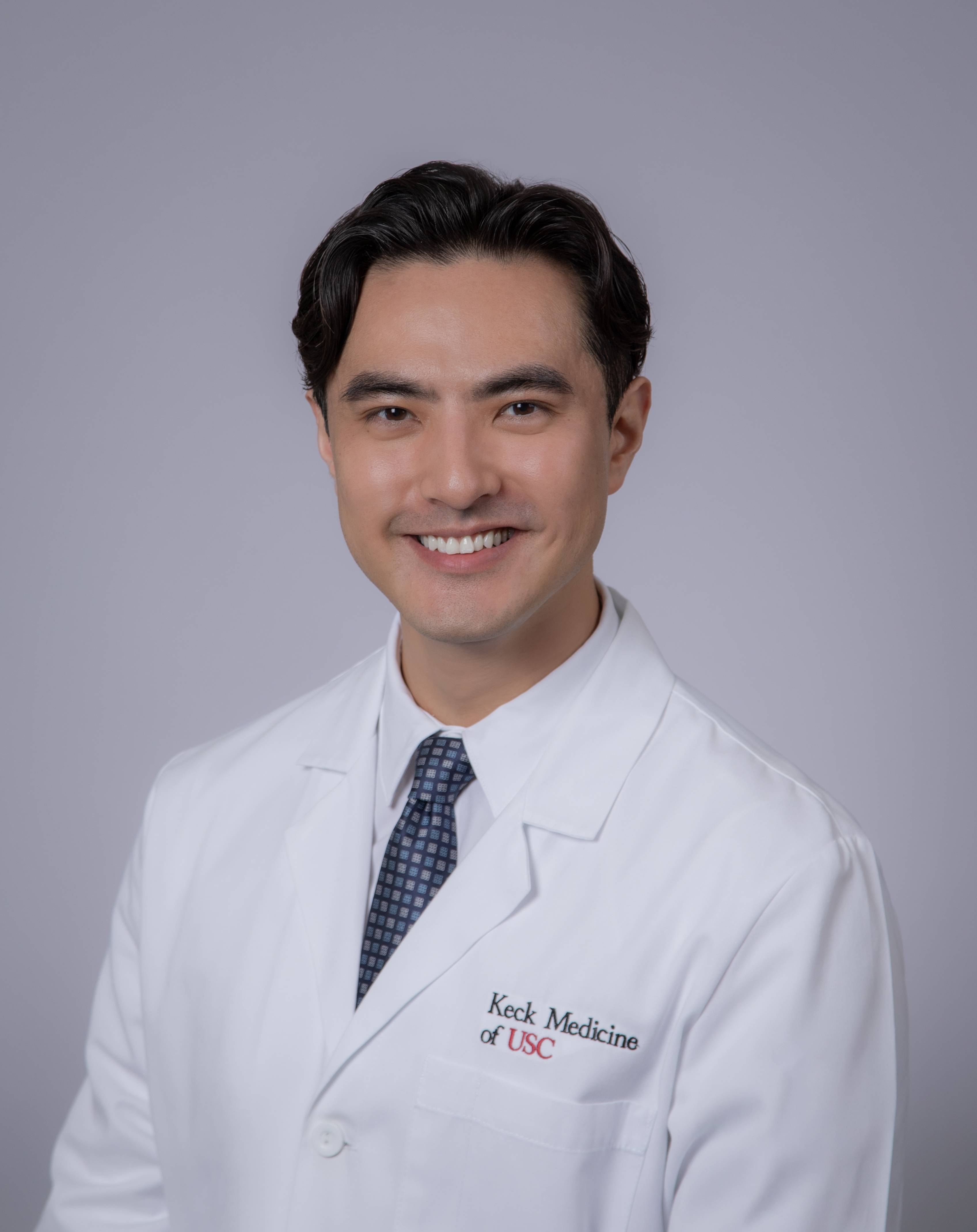
Harry Wong, MD
What these medications have actually done is forced a long-overdue shift in how obesity care is approached. The old model — diet and exercise, then maybe medication, then surgery as a last resort — is being replaced by something far more aligned with the biology of the disease: multimodal, individualized and long-term treatment.
“People think this is a question of medication versus surgery,” says Harry J. Wong, MD, MS, a bariatric surgeon and obesity medicine specialist who focuses on gastrointestinal conditions with USC Surgery and the USC Digestive Health Institute, part of Keck Medicine of USC. “That’s not how we practice anymore. We use all the tools in our toolbox.”
Oral GLP-1s are poised to expand obesity treatment even further by providing another route for patients who cannot or do not want to use injections. More than 8,000 people in the United States filled a prescription for oral semaglutide in just the first six weeks after the pill was approved by the Food and Drug Administration (FDA) in December 2025.
While this new tool is certainly exciting for practitioners treating obesity, Wong cautions nuance.
“People hear ‘pill’ and think it’s simpler,” he says. “But the semaglutide (Wegovy) pill actually has to be taken in a very specific way.” Daily dosing, strict fasting requirements and absorption variability make oral formulations less straightforward than they appear. But having more options to treat obesity is never a bad thing, he says.
“This is just another tool, and for some patients — especially those who can’t or won’t inject — it’s a great option,” he adds.
More recently, the FDA approved orforglipron (Foundayo), a small-molecule (nonpeptide) oral GLP-1 receptor agonist that can be taken once daily without fasting or water restrictions, addressing one of the key adherence challenges of earlier oral formulations.
“For patients who struggled with the strict dosing requirements of oral semaglutide, this represents a meaningful step forward in real-world usability,” Wong says. “That said, oral agents as a class still produce somewhat less weight loss than their injectable counterparts, which is why patient selection and shared decision-making remain central to good obesity care.”
The real impact of GLP-1s: Patients are finally showing up
If GLP-1s have disrupted anything, it’s patient behavior. For decades, bariatric surgery has been dramatically underutilized. Less than 1% of eligible patients ever undergo surgery. Meanwhile, in just a few years, GLP-1 medications have reached a staggering portion of the population.
“Now you have one in eight Americans who’ve tried a GLP-1,” Wong says. “If anything, the popularity of GLP-1s has helped patients realize they can actually get treatment for their obesity.”
And that shift matters. Many patients who would never have considered surgery are now entering the health care system seeking help with weight management and weight-related comorbidities. As the stigma around weight management and obesity lessens — though it is still present — more patients are recognizing that obesity is a complex, chronic condition and needs to be treated as such, rather than a personal moral failing. For physicians, this represents an opportunity, not a threat.
While hybrid treatment is great, surgery is still essential for some patients
At multidisciplinary obesity treatment centers like the USC Digestive Health Institute’s, medications are already being used in a multidisciplinary fashion. They are being used before surgery to help reduce complications and make surgery safer. In some cases, they can take the place of surgery. And after surgery, they can be used to help further optimize weight loss, reduce “food noise”, and prevent weight gain recurrence in the long-term.
“We use GLP-1s to optimize patients before surgery,” Wong explains. “If someone has a very high BMI, preoperative weight loss reduces operative risk and improves outcomes.”
Although GLP-1s are effective, they do have limits. “You’re looking at roughly 10% to 20% total body weight loss on average with the current GLP-1 medications,” Wong says. “For a patient starting at a BMI of 60, that’s clinically meaningful progress, but it may not get them to a healthy range.” For those patients, surgery remains essential. That’s why obesity care requires multiple options for treatment.
“If you’re a hammer, everything looks like a nail. And it’s the same with obesity treatment. If you only know how to do one thing, that’s all you will ever do,” Wong says. “But patients are different. Their goals are different.” That’s why discussion of these new therapies and how they work for patients is so important. If patients have only ever been told that the only way to lose weight is with diet and exercise, that’s all they will ever try.
“I still have patients who are told, ‘You don’t need medication. You don’t need surgery. Just do it yourself,’” Wong says. But that advice ignores the underlying physiology of obesity.
“You’re fighting against your body,” he says. “And when you’re fighting physiology with willpower, physiology almost always wins.”
Until that mindset shifts — among both patients and providers — many individuals will continue to go untreated. Increasingly, however, conversations happening around peoples’ successes with GLP-1s will bring more patients into their doctors’ offices.
“Learning about these new tools puts us in a better place to counsel patients,” Wong says. “This isn’t about picking one treatment. It’s about using the right combination for the right patient.”
Keck Medicine of USC
Harry J. Wong, MD, MS, is a bariatric surgeon and obesity medicine specialist focused on caring for patients with obesity and various gastrointestinal issues with USC Surgery and the USC Digestive Health Institute, part of Keck Medicine of USC. At Keck Medicine, our comprehensive team of specialists is dedicated to helping patients treat obesity and meet weight-loss and metabolic health goals.
Learn how our specialists can help with your toughest cases. Click here to start a referral to Keck Medicine of USC. Visit our Provider Portal to learn more about our programs, capabilities, clinical trials, events and expert insights. Subscribe for free to our monthly Provider Insights newsletter.